Green Initiatives: How E-Waste Recycling Services Are Protecting Our Planet
Electronic waste presents serious dangers to the environment, as discarded electronics often contain toxic materials. These hazardous substances can contaminate soil and water, leading to broader ecological damage. E-waste recycling initiatives provide a practical answer. They successfully retrieve useful resources while simultaneously minimizing environmental pollution. Understanding how these services operate and their impact on communities is essential. The path to successful electronic waste management prompts vital discussions about personal accountability and communal efforts. What actions should be considered going forward?
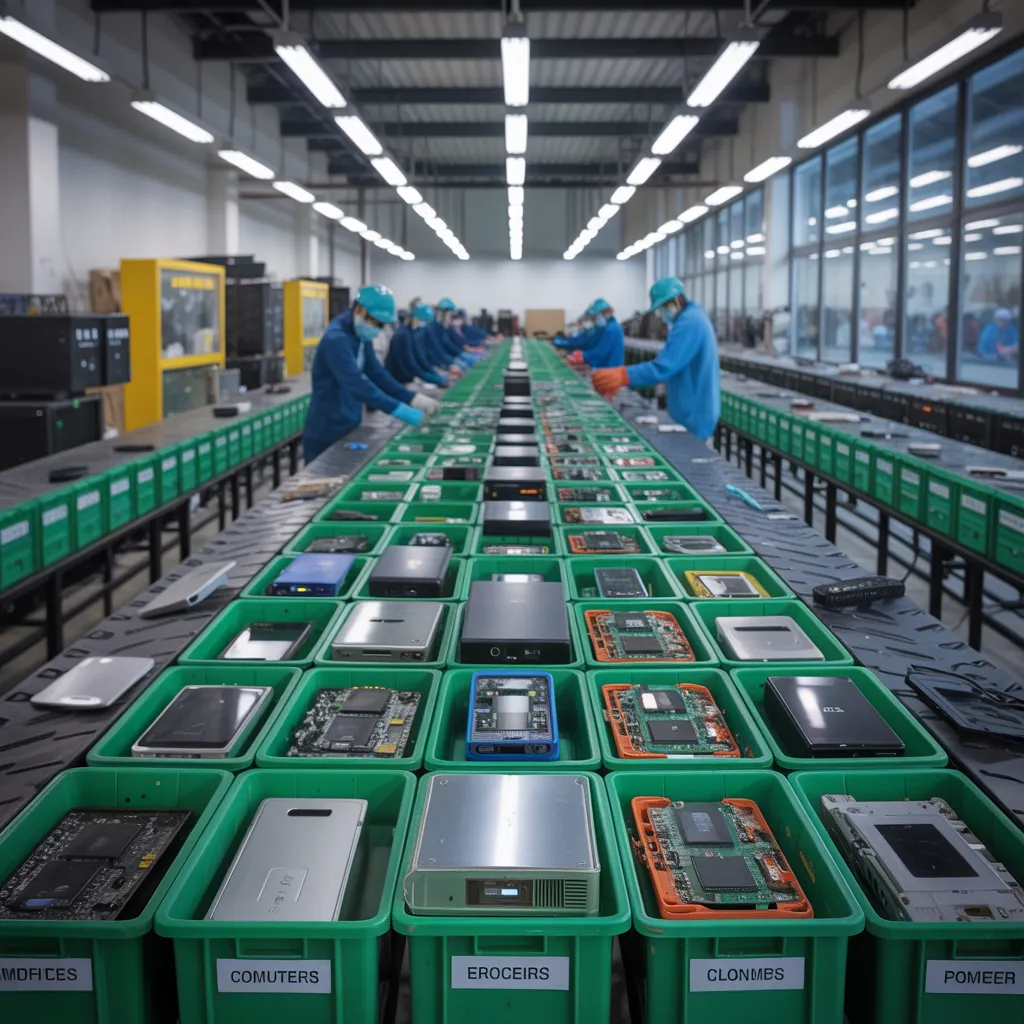
Why E-Waste Poses a Threat to the Planet
While technology enriches our daily lives, e-waste poses significant environmental threats. Disposed electronic equipment, commonly laden with dangerous compounds like lead, mercury, and cadmium, may release harmful substances into groundwater and soil, creating hazards for human health and ecosystems. The accelerating rate of technological innovation contributes to increased consumer turnover of electronics, exacerbating the accumulation of e-waste.
Landfills, already overwhelmed with refuse, find it difficult to handle the increasing amounts of discarded devices. Burning, an alternative disposal approach, discharges toxic contaminants into the air, worsening overall air quality. Furthermore, inadequate recycling methods can result in the shipment of electronic waste to underdeveloped nations, where workers may break down equipment without proper protective measures, putting themselves at risk of exposure to hazardous materials. This ongoing cycle of carelessness and inadequate management emphasizes the pressing necessity for responsible recycling initiatives that can lessen the harmful consequences of e-waste on our world.
Understanding E-Waste and Its Significance
Electronic waste, commonly known as e-waste, includes unwanted electronic equipment like smartphones, computers, and televisions that are no longer functional or needed. This increasingly prevalent form of waste is important because of its swift buildup, propelled by advances in technology and evolving consumer behaviors. As more devices become obsolete, the toll on the environment grows more severe, with toxic materials such as lead, mercury, and cadmium posing risks to ecosystems and human health.
The significance of tackling e-waste extends beyond minimizing these risks to recognizing the valuable resources it holds. Valuable metals and rare earth materials can be extracted and repurposed, lessening the demand for mining and preserving natural resources. Through a deeper awareness of e-waste and its consequences, both individuals and organizations can make well-informed choices regarding disposal and recycling, thereby supporting a more sustainable future. Proper management of e-waste is essential for fostering a circular economy and promoting environmental stewardship.
The Way E-Waste Recycling Functions
The recycling of e-waste encompasses a systematic process aimed at reclaiming useful resources while reducing harm to the environment. Initially, e-waste is collected and transported to purpose-built recycling plants. After reaching the facility, the devices undergo thorough sorting to distinguish harmful elements from reusable resources.
After this step, technicians take apart the devices, removing plastics, metals, and glass. This step is critical, as it enables the retrieval of high-value metals like silver, gold, and copper, which may be utilized in new electronics.
Next, the separated materials are refined with sophisticated techniques, such as mechanical shredding and chemical processing, to purify them for reuse.
In the final step, the remaining dangerous materials are managed properly, adhering to eco-friendly standards. This multi-step approach not only saves important resources but also minimizes the hazards linked to improper e-waste disposal, ensuring a more sustainable future for electronic consumption.
Why E-Waste Recycling Matters for You and Your Community
While many individuals may not realize it, the advantages of e-waste recycling extend beyond personal convenience to positively impact entire communities. By properly recycling electronic waste, individuals play a role in creating a safer environment, minimizing hazardous materials that can contaminate soil and water. This responsible method works to protect local ecosystems and supports public health.
Moreover, electronic waste recycling supports workforce growth within communities. Nearby recycling establishments regularly need employees for diverse activities, spanning collection through processing, consequently creating meaningful employment within the community. This not only strengthens the regional economy but also encourages community engagement in sustainable practices.
Additionally, awareness of e-waste recycling is capable of inspiring educational initiatives, encouraging residents to adopt eco-friendly choices. By enrolling in e-waste recycling programs, individuals cultivate a culture of sustainability, encouraging others to follow suit. Ultimately, the cumulative impact of these actions can create a more sustainable and conscientious community.
How to Pick an E-Waste Recycling Service
Choosing the best electronic waste recycling provider is vital for guaranteeing that electronic waste is managed in a responsible and sustainable manner. To begin, consumers should verify the company's accreditations, such as R2 and e-Stewards certifications, which indicate adherence to professional guidelines for safe recycling practices. Additionally, it is advisable to examine the company's standing by reading customer reviews and obtaining advice from dependable sources.
Moreover, clarity in the recycling process is essential. A dependable service should provide clear information about how e-waste is processed and what becomes of the materials. Additionally, evaluating the range of services offered can be beneficial; some companies may provide pickup services or offer incentives for recycling.
Ultimately, understanding local regulations regarding e-waste disposal can help inform the decision-making process. By taking these elements into account, consumers can play a role in efficient electronic waste handling while supporting green and responsible behaviors.
How You Can Get Involved in E-Waste Recycling?
Engaging in e-waste recycling often starts at the local level, where community recycling hubs frequently offer essential services for proper disposal. Furthermore, taking part in community awareness campaigns can amplify efforts to inform others regarding the importance of ethical e-waste practices. These initiatives not only promote sustainability but also foster a collective sense of accountability for the environment.
Community Recycling Locations
Many regional recycling hubs fulfill a critical purpose in the recycling of e-waste, providing communities with accessible options to manage electronic waste appropriately. These centers accept a wide array of electronic devices, including outdated computers, mobile phones, and TVs, ensuring that harmful materials are handled safely. The majority of facilities employ experienced team members who can guide individuals on proper disposal methods, Click here stressing the significance of recycling instead of landfilling. In addition, numerous facilities provide scheduled drop-off occasions or specific collection dates, allowing residents to take part with ease. By engaging with these local facilities, individuals contribute to a circular economy, reducing environmental impact and promoting sustainable practices. Engaging with these centers encourages communities to fight e-waste pollution decisively.
Community Education Campaigns
Local organizations, schools, and businesses can partner to arrange initiatives that encourage e-waste collection drives. Volunteers can play a pivotal role in raising awareness, sharing informational resources, and connecting with local residents. Through these collective efforts, residents become more informed and motivated to recycle their electronic waste, thus playing a meaningful role in creating a more environmentally responsible future.
Frequently Asked Questions
What Electronic Devices Are Eligible for Recycling?
Various electronics can be recycled, including computers, smartphones, televisions, laptops, gaming consoles, and printers. In addition, ancillary devices such as batteries, keyboards, and mice are also suitable for recycling, supporting environmental conservation efforts.
Do Any Costs Come With E-Waste Recycling?
Indeed, e-waste recycling can include charges, based on the provider. Some facilities charge fees for pickup or handling, while others offer free services, often subsidized by the sale of reclaimed components.
How Do Businesses Gain From E-Waste Recycling?
Organizations can gain from e-waste recycling by minimizing disposal costs, strengthening their ecological standing, meeting compliance standards, recovering valuable materials, and potentially generating revenue through resale, thus supporting a greener and more sustainable operational framework.
What Becomes of Data on Recycled Devices?
Data regarding recycled devices is frequently irretrievably wiped or obliterated during the refurbishment process. This confirms private details stays protected, preventing unauthorized access while permitting materials to be reused carefully and ethically within new applications.
Are Broken Electronics Eligible for Recycling?
Absolutely, damaged electronics can be recycled. Several centers accept damaged devices, guaranteeing responsible disposal and retrieval of precious materials. This effort helps lower environmental impact while promoting responsible recycling practices to control electrical waste efficiently.